
To reduce the risk of adverse events in hydrotherapy, all clients must undergo comprehensive screening and assessment, and all foreseeable environmental and equipment hazards must be removed before treatment. Constant supervision is essential.
Seizures
Clients with a seizure history require medical clearance and close supervision. Follow emergency protocols immediately if a seizure occurs.
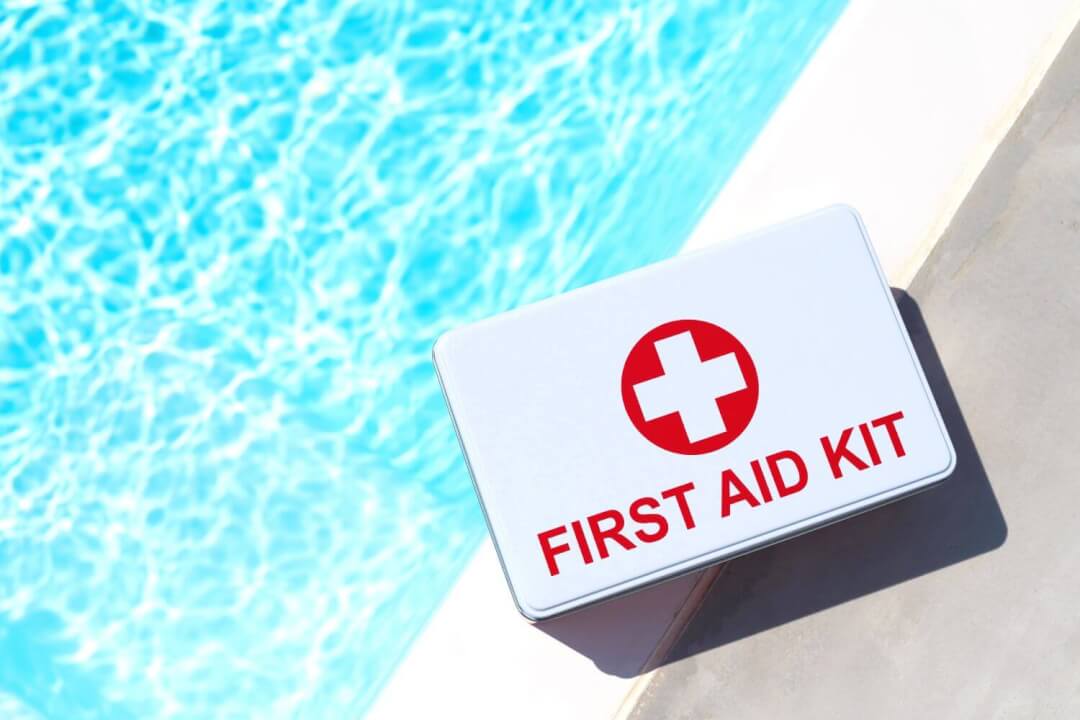
Dizziness
May result from temperature, fatigue, or medications. Remove the client from the water and monitor until stable.
Drowsiness
Common in warm water and with some medications. Increased supervision is required. Exit the pool if alertness drops.
Wheelchair Incidents
Apply brakes, secure footplates, use safety belts, and ensure correct manual handling with adequate staff assistance.
Respiratory Attacks
Ensure medications are poolside. Remove the client from water immediately and activate emergency procedures if breathing does not settle.
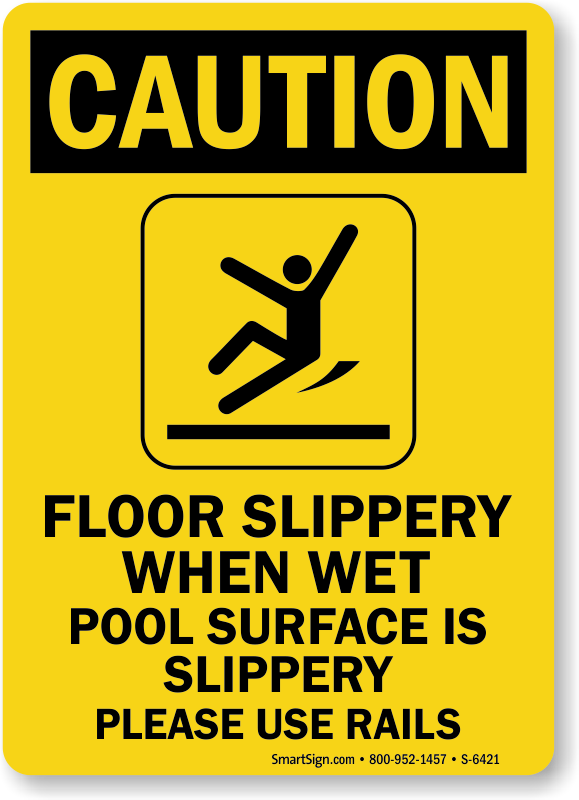
Slips and Falls
Wet surfaces are a major risk. Use non-slip flooring, footwear, signage, and supervise all entries and exits.
Chest Pain
Treat as a medical emergency. Stop treatment, remove from the pool, and call emergency services immediately.
Buoyancy and Weight Issues
Incorrect flotation can cause panic or loss of control. Match buoyancy aids to client size, strength, and ability.
Stumbles on Equipment or Other Clients
Keep pool decks clear, manage group numbers, and maintain safe spacing at all times.
Environment and Change Room Issues
Change rooms are high-risk areas for falls and manual handling injuries. Ensure dry floors, good lighting, and staff availability.
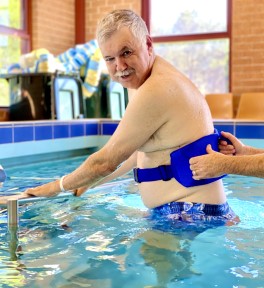
Equipment Dangers
All equipment must be checked before use. Faulty items are to be removed immediately.
Scrapes and Cuts
All open wounds must be waterproof covered or excluded due to infection risk.